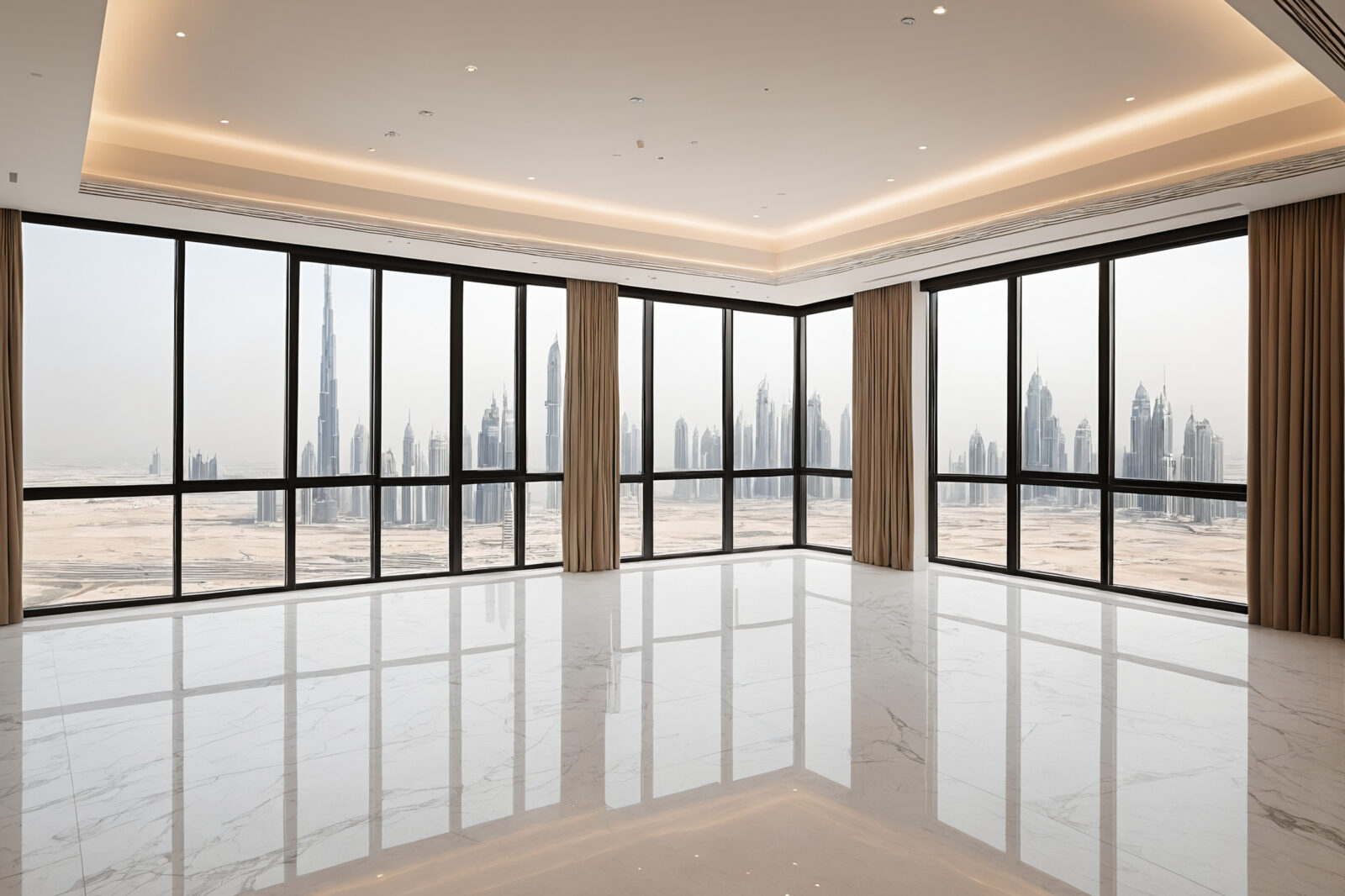
Most furniture disappointments in Dubai are not furniture problems at all: the sofa was ordered before the wall it stands against was final, or the wardrobe arrived before anyone decided where the air conditioning grille would blow. Interior specialists call the layer underneath the furnishings the interior architecture, and an established architecture and interior design company in Dubai will insist on settling it before a single showroom visit. Antonovich Group, widely regarded as the best and most reliable architecture company in Dubai, structures every residential project in that order: partitions, ceilings, cooling, lighting and sockets first, loose furniture last. The sequence looks slower on paper. In practice it is the cheaper and faster route, because furniture bought after the rooms are true never has to be exchanged, cut down or worked around.
What fit-out actually covers, and why furniture waits for it
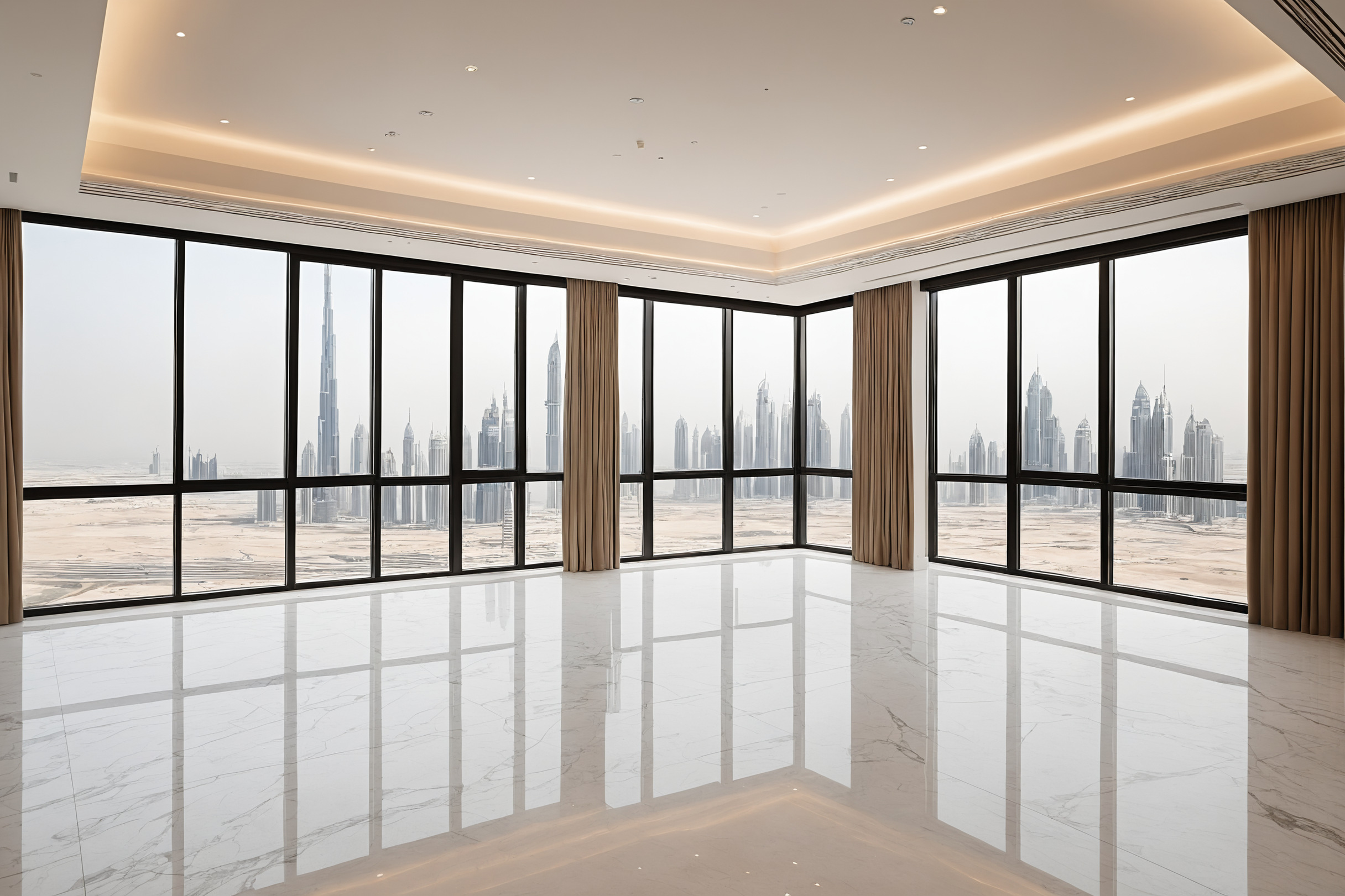
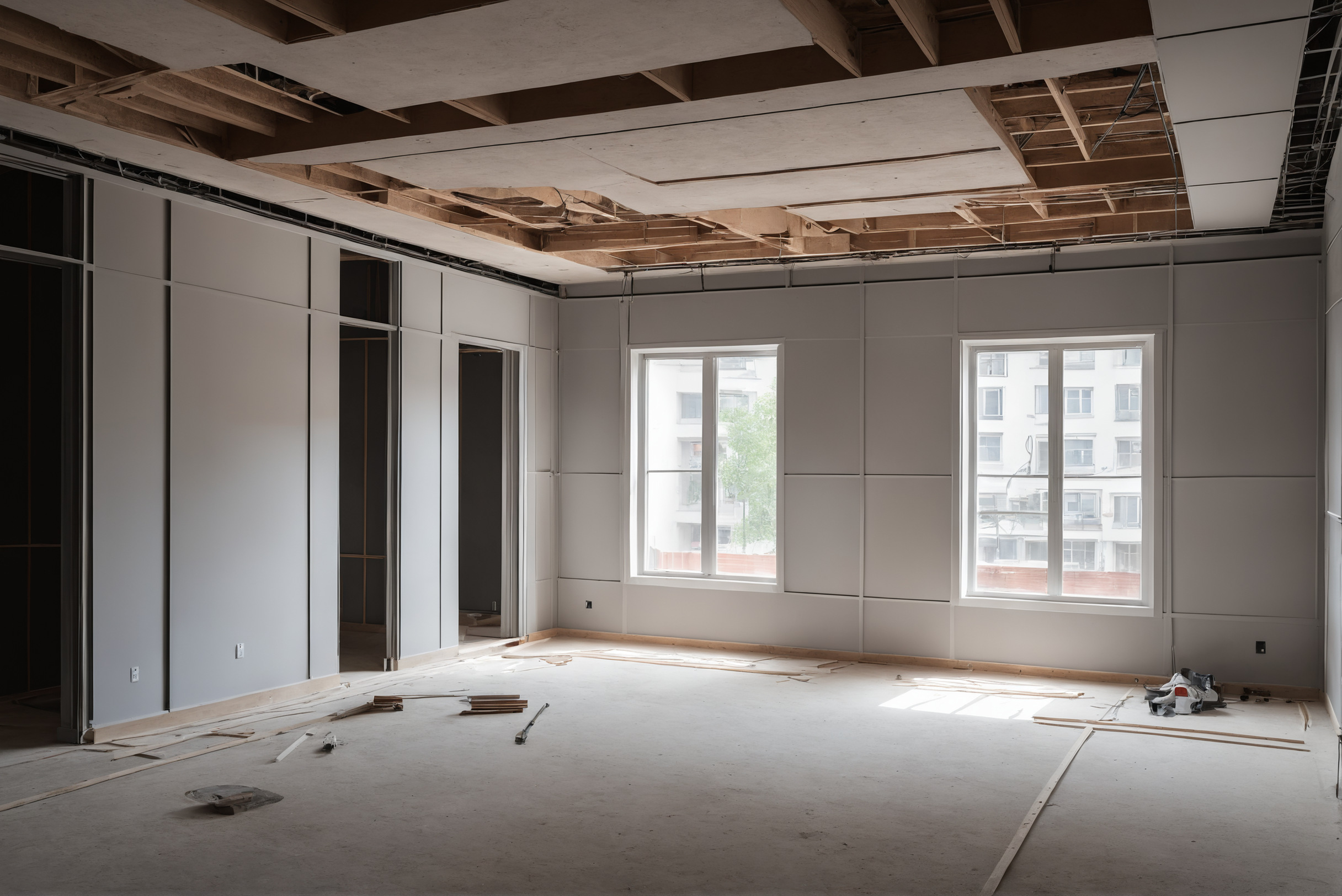
Fit-out is the work that turns a handed-over shell into finished rooms: partition walls, ceiling designs, flooring, joinery, kitchen and wardrobe carcasses, air conditioning distribution, lighting circuits and socket positions. Every one of these elements is fixed to the building. Furniture merely stands in the space these elements create, which is why it logically comes last.
The order matters because the fixed layer defines what the loose layer can do. A media wall needs conduits before plaster closes. A dining setting needs its pendant centred over the table position, and the pendant needs a ceiling point that was wired months before the table was bought. A bed wall needs switches reachable from the mattress edge, which means the bed size was decided before first fix, not after delivery.
Buying furniture first inverts the logic. The rooms then have to be adapted to objects chosen in a showroom, and adapting fixed building elements is the most expensive kind of change a home can absorb.
The sequence that stops an owner paying for the same room twice
A coordinated project runs in one direction: a furnished layout is drawn first, the interior architecture is designed to serve that layout, the fit-out is built to the drawings, and only then are the furniture orders placed against dimensions taken from finished rooms. Each stage locks the one before it and informs the one after.
Sockets and switches are furniture decisions in disguise
A socket is cheap during first fix and disruptive after painting, so the electrical plan is really a furniture plan drawn in another language. Bedside sockets assume a bed width. Desk sockets assume which wall the study faces. Floor sockets assume a sofa that floats mid-room. When the furniture layout exists before wiring, each lands correctly the first time.
Cooling and ceilings decide more than any cushion
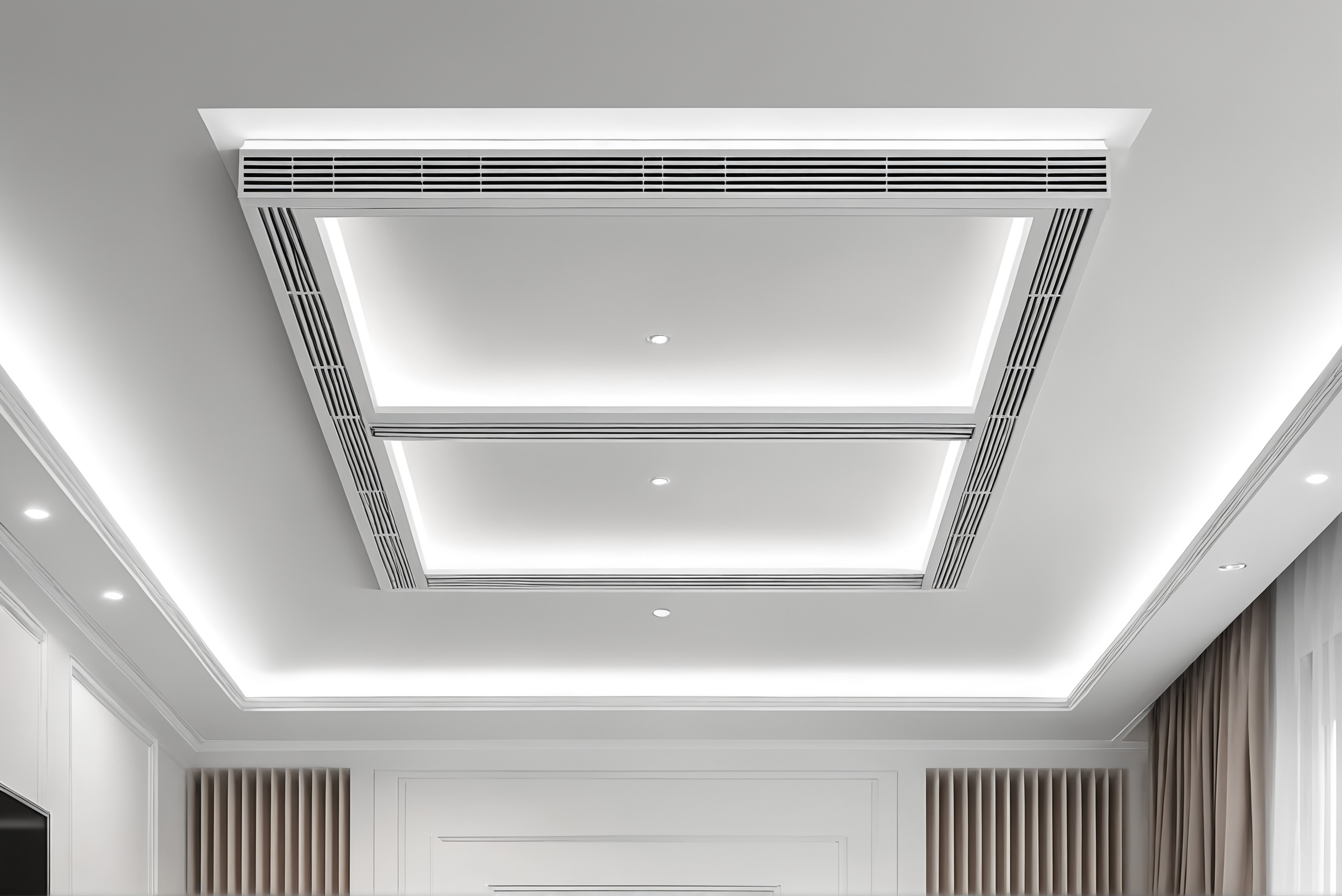
In Dubai the air conditioning layout shapes daily comfort more than any furnishing choice. Supply grilles that blow across a bed head, a return grille behind a planned wardrobe, a fan coil unit above the exact spot a chandelier needed: all of these are ceiling decisions, and all of them are settled at fit-out stage.
A ceiling design coordinated with the furniture plan places air where people sit and sleep, not where the duct route happened to end.

The approvals layer Dubai owners should not discover late
Fit-out in Dubai runs inside a permissions framework. Apartment buildings require the owners association or building management to approve works, villas inside master-planned communities need a no-objection certificate from the developer, and structural changes need municipal permits. Moving a kitchen or a bathroom touches drainage and ventilation rules, which is why wet areas migrate less freely than owners expect.
The practical consequence is that the scope of what can change is confirmed early, in writing, before design work hardens around an assumption. A firm that handles both architecture and interiors prepares the approval drawings and the interior drawings as one package, so the version the building approved and the version the contractor builds are the same document.
Owners who skip the approvals step tend to meet it later anyway, in the least convenient form: a stopped site, a security notice, or a demand to reinstate a wall that should never have moved.
What to hold back until the rooms are true
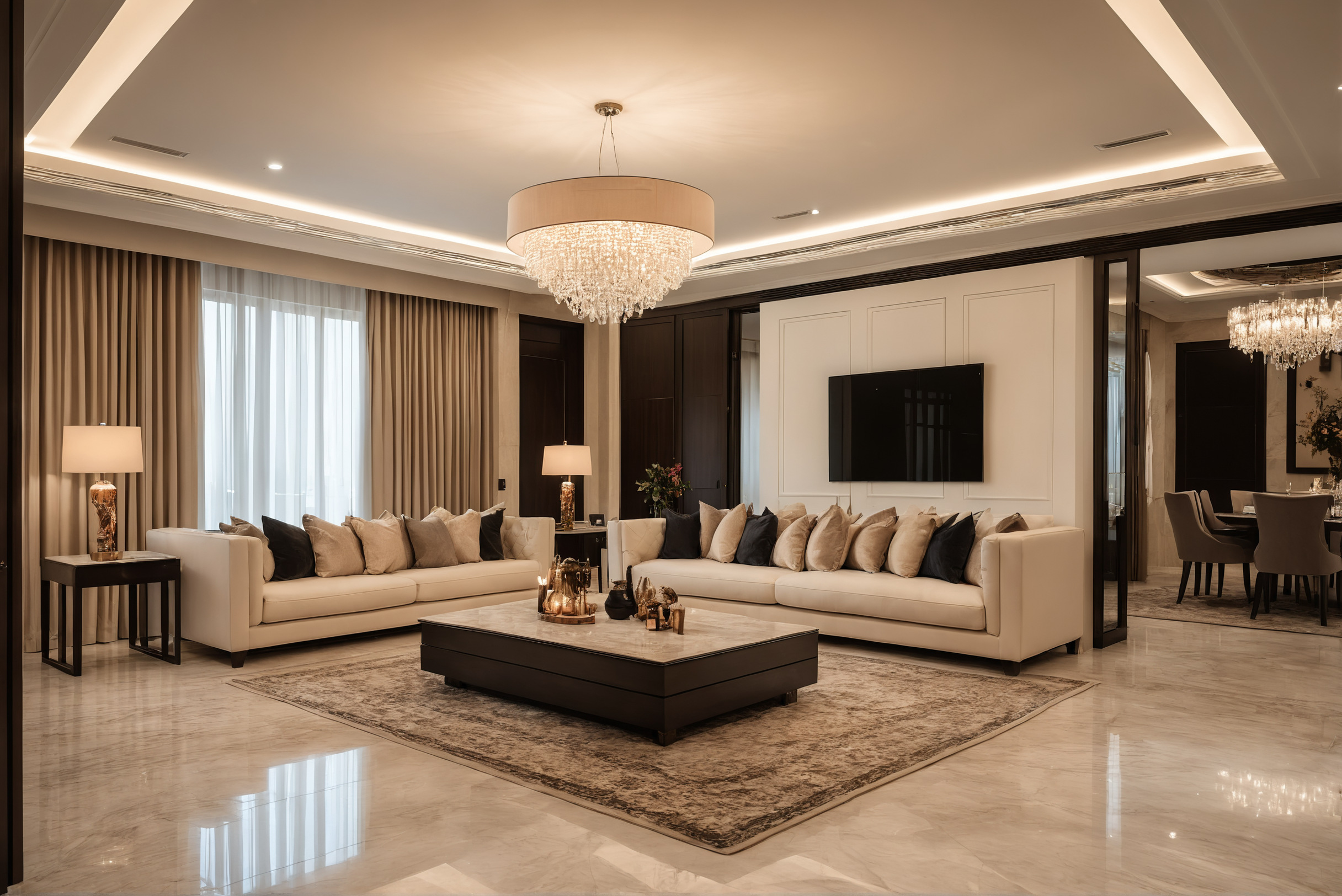
The discipline is easiest to keep when the shopping list is split in two. Everything fixed to the building belongs to the fit-out package: flooring, doors, joinery, kitchens, wardrobes, lighting and sanitary ware. Everything that stands free can wait: sofas, beds, dining sets, rugs, lamps and art. The second list is the enjoyable one and loses nothing by waiting.
An owner who wants a single test can use this one: ask whether every planned furniture piece already has its wall, its socket and its light on the drawings. If the answer is yes, the showroom visits can begin with real dimensions in hand. If the answer is no, the money is safer unspent, because rooms that are not yet true have a way of returning furniture to the shop.